Ahmedabad (Amdavad)
Founded in 1411 by Sultan Ahmed Shah, Ahmedabad is a city where centuries of history come alive in its bustling streets, serene ashrams, and magnificent architecture. From the intricate carvings of its 15th-century mosques to the peaceful banks of the Sabarmati, every corner tells a story [citation:1][citation:3].
Formerly known as Ashawal, Karnavati, and Rajnagar, the city is intimately associated with Mahatma Gandhi, who established the Sabarmati Ashram here. Today, it's a vibrant metropolis that perfectly balances its rich past with a dynamic present [citation:3].
City at a Glance
Founded: 1411 AD
Founder: Sultan Ahmed Shah
State: Gujarat
Language: Gujarati, Hindi, English
Capital of Gujarat for over 600 years, founded on the ancient site of Ashaval and Karnavati [citation:1][citation:3]
Traditional self-contained neighborhoods with narrow streets, bird-feeding towers (chabutaras), and community wells [citation:1]
Home to Sabarmati Ashram, Mahatma Gandhi's residence during India's freedom struggle [citation:5][citation:9]
Architectural Marvels
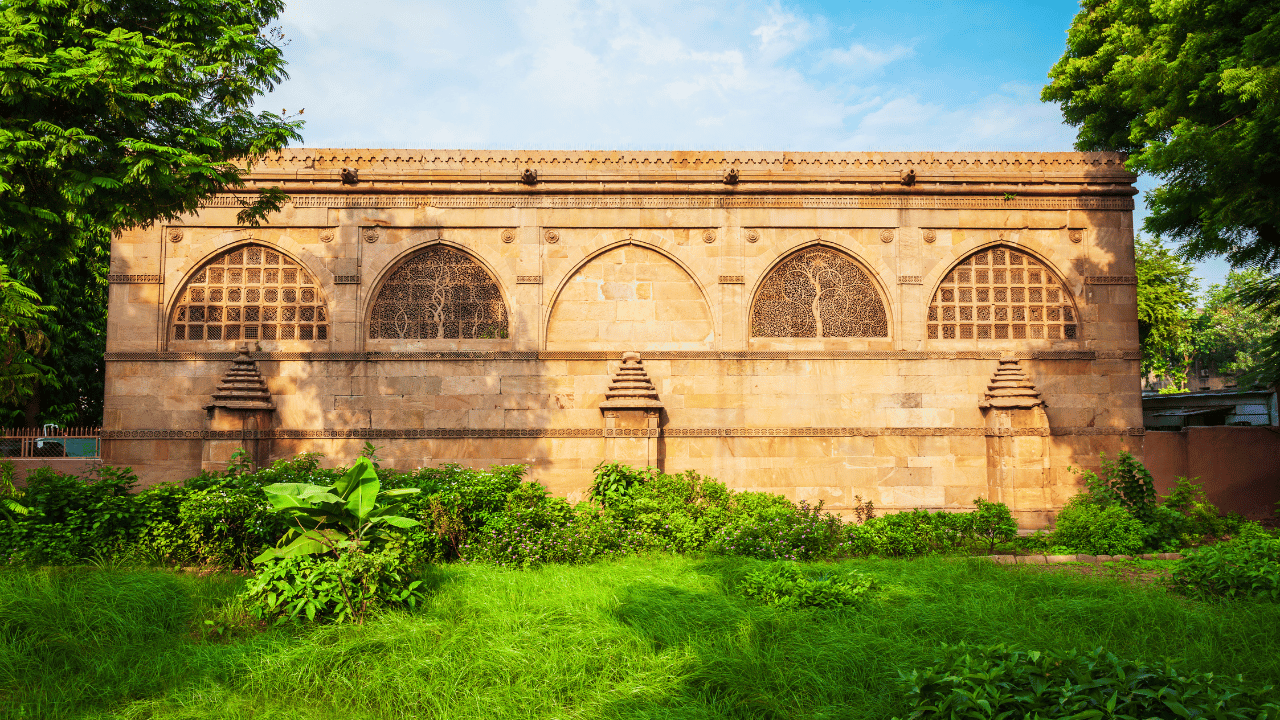
Sidi Saiyyed Mosque
Famous for its exquisite stone lattice work (jali), especially the "Tree of Life" window – a symbol of Ahmedabad that inspired IIM Ahmedabad's logo [citation:5][citation:9].
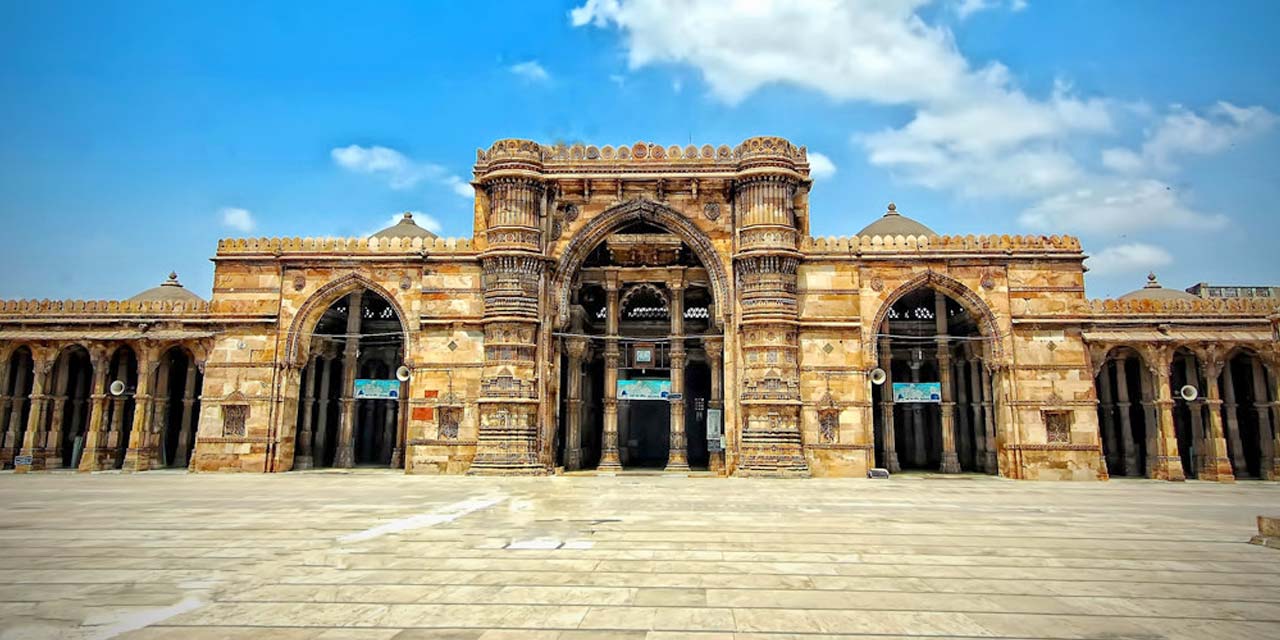
Jama Masjid
Built in 1424, one of India's largest mosques featuring 260 pillars and 15 domes, blending Hindu and Islamic architectural styles [citation:2][citation:5].
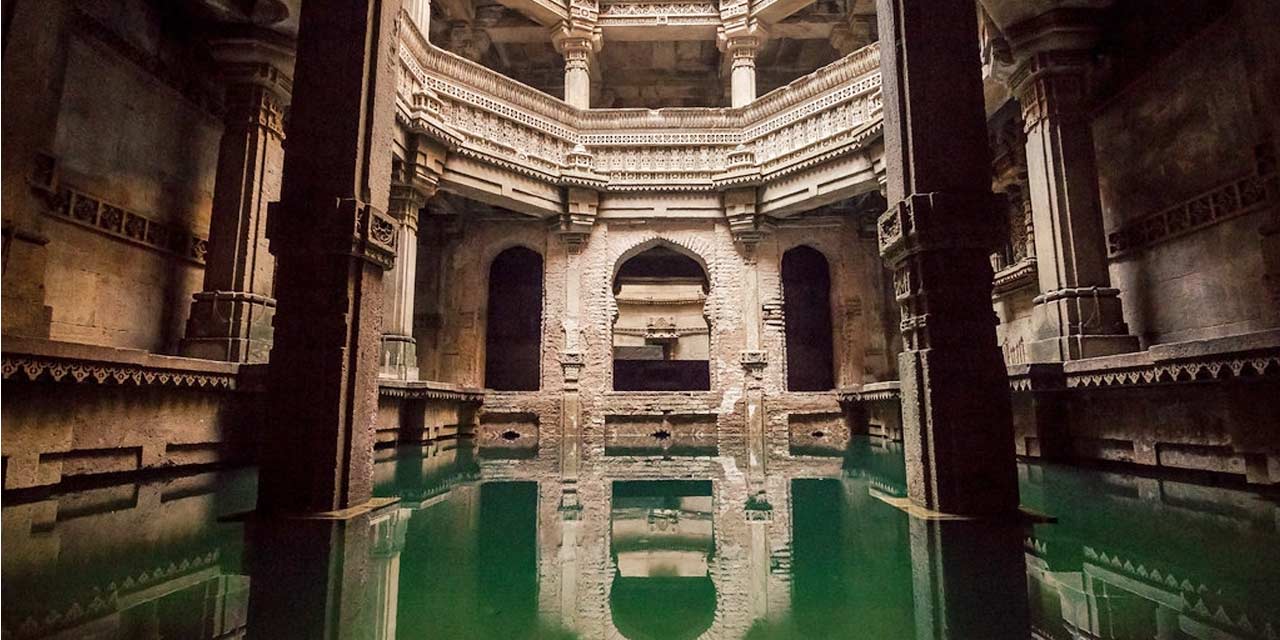
Adalaj Stepwell
A five-storey architectural marvel built in 1499 by Queen Rudabai. Intricately carved, it served as a resting place for travelers and a water conservation structure [citation:5][citation:8].
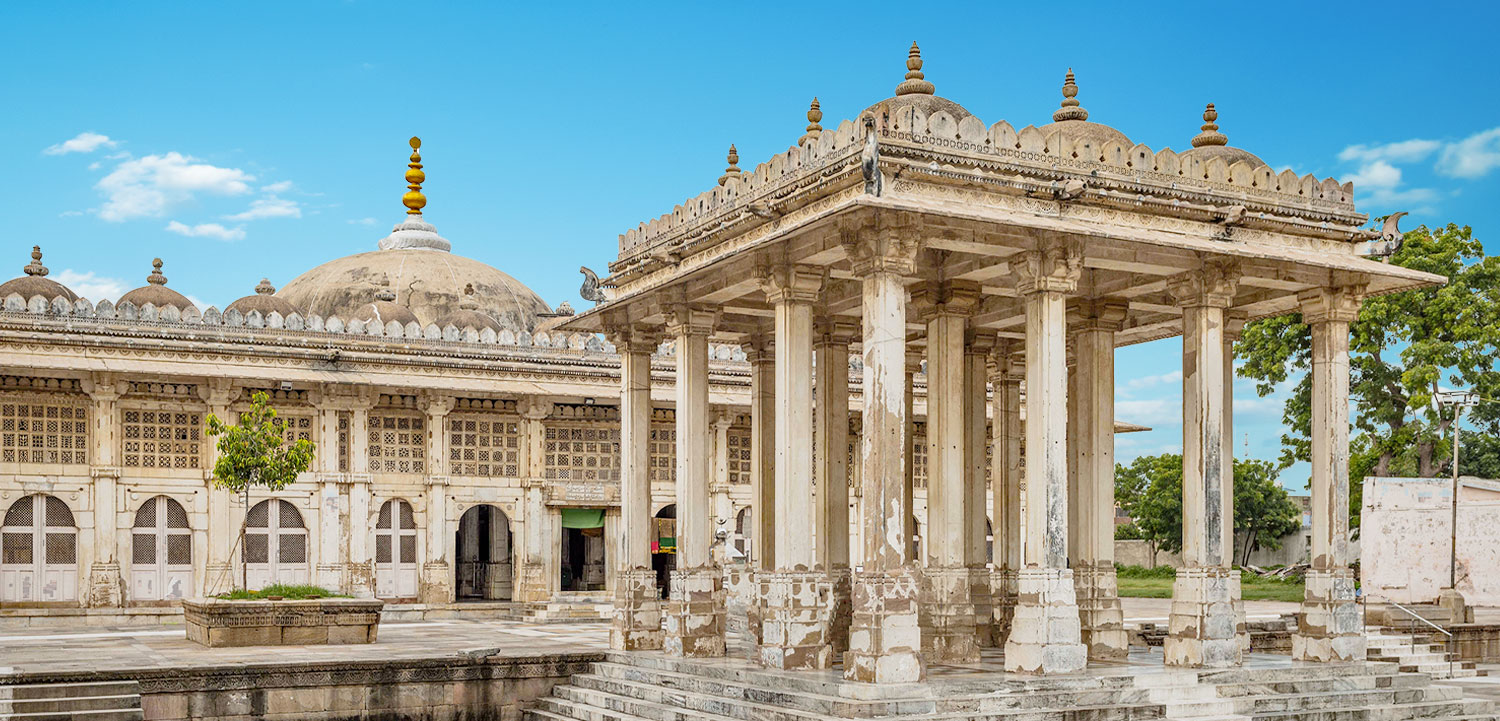
Sarkhej Roza
A magnificent mosque-tomb complex and a masterpiece of Indo-Saracenic architecture. Once a favored retreat for Gujarat's sultans, it's a serene spiritual site [citation:4][citation:8].
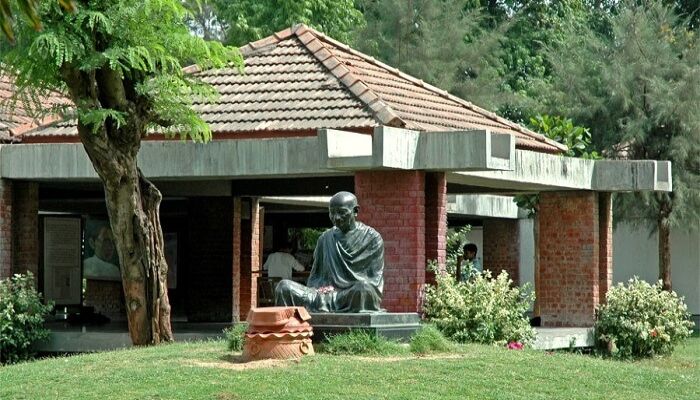
Sabarmati Ashram
Mahatma Gandhi's serene retreat on the riverbank, from where he led the Dandi March. Now a museum preserving his legacy and philosophy of non-violence [citation:5][citation:9].

Hutheesing Jain Temple
A stunning 19th-century marble temple dedicated to Dharmanath. Known for its intricate carvings, serene atmosphere, and towering manastambha [citation:5][citation:6].
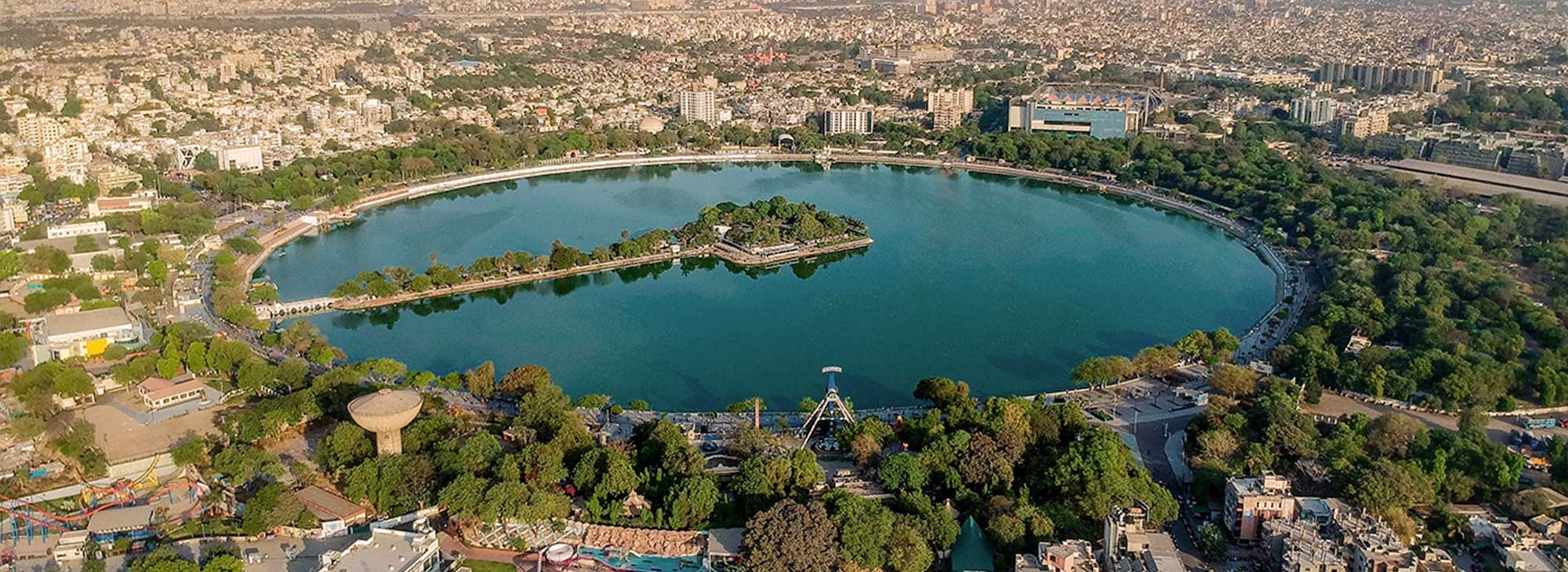
Kankaria Lake
A 500-year-old man-made lake with a 2.5 km periphery. A complete entertainment hub with a zoo, toy train (Atal Express), aquarium, and food stalls [citation:5][citation:8].

Calico Museum of Textiles
One of the world's finest textile museums, showcasing a stunning collection of Indian handloom and fabrics, preserving Gujarat's rich craft heritage [citation:7].
The Historic 'Pols' of Ahmedabad
A special feature of Ahmedabad is its ancient 'pols' – self-contained neighborhoods that are like small villages within the city [citation:1].
These traditional residential clusters, dating back to the medieval period, feature narrow winding streets, hidden passages, community wells, and bird-feeding towers (chabutaras). Each pol historically housed people from specific communities or professions, creating a unique social fabric. Walking through them is like stepping back in time [citation:1][citation:2][citation:6].
Did You Know? The chabutaras (bird towers) in every pol reflect Ahmedabad's tradition of compassion and coexistence with nature [citation:1].
Culinary Delights
Gujarati Thali
An unlimited platter of vegetarian delights: dhokla, thepla, undhiyu, dal dhokli, shrikhand, and more – a true feast!
Manek Chowk
By day a vegetable market, by night Ahmedabad's most famous street food hub. Try dabeli, pav bhaji, and jalebi [citation:5][citation:9].
Law Garden Night Market
Shop for handicrafts and then indulge in chaat, pani puri, and kulfi at this vibrant evening market [citation:5].
Local Favorites
Don't miss authentic Gujarati snacks like khaman dhokla, fafda jalebi, and the famous Gujarati kadhi.
Shopping & Markets
Law Garden Night Market
Famous for traditional Gujarati handicrafts, embroidered chaniya cholis, bandhani dupattas, and silver jewelry [citation:9].
- Handicrafts & Textiles
- Street Food Stalls
- Evening Shopping
Rani no Hajiro
Located near Jama Masjid, this market is known for stunning bandhani and Ajrakh prints, ideal for ethnic fabrics [citation:9].
- Bandhani Prints
- Ajrakh Fabrics
- Traditional Wear
Modern Malls
For air-conditioned shopping, Ahmedabad One Mall and Alpha One Mall offer international brands and entertainment [citation:9].
- International Brands
- Food Courts
- Multiplexes
A Living Museum of Coexistence
Ahmedabad stands as a rare example of pluralism, where Hindu, Muslim, Jain, Christian, Parsi, and Jewish heritage coexist within a walkable radius [citation:6]. The morning aartis blend with the call to prayer, Jain monks walk past churches, and families from all communities celebrate each other's festivals. This living heritage, woven into the city's daily rhythm, is what makes Ahmedabad truly extraordinary [citation:6].
Festivals & Traditions
The city pulses with energy during Navratri, when the entire city comes alive with vibrant Garba and Dandiya Raas dances. The International Kite Festival (Uttarayan) on January 14th fills the sky with countless colorful kites, a spectacle unique to Gujarat [citation:9].
Getting to Ahmedabad
By Air
Sardar Vallabhbhai Patel International Airport connects Ahmedabad to major Indian cities and international hubs like USA, UK, Singapore, and Dubai [citation:1][citation:3].
By Train
Ahmedabad Railway Station (Kalupur) is a major junction on the Western Railway, connected to all major Indian cities. India's first bullet train will connect Mumbai to Ahmedabad [citation:3].
By Road
Well-connected by a network of national highways and expressways. Regular state transport and private buses operate from major cities [citation:1].
Best Time to Visit
November to February, when the weather is cool and perfect for sightseeing. Plan your trip around Uttarayan (January 14th) to witness the spectacular kite festival! [citation:9]